Strive Physical Therapy and Sports Rehabilitation
About
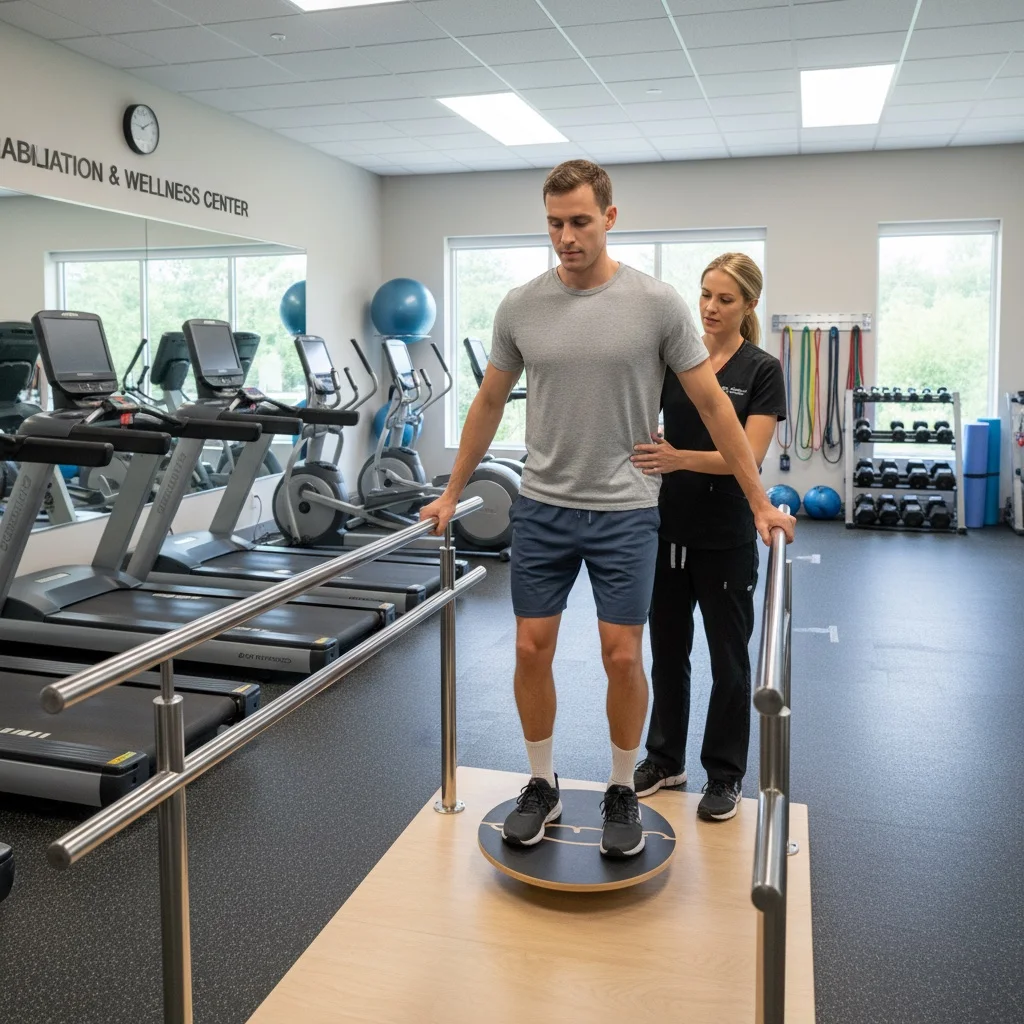
Professional care with a personal touch. Since 2005, Strive PT has been committed to providing expert, compassionate care that targets your root problem, resulting in lasting relief. As a physical-therapist owned practice, our passion for serving the community and helping people get better drives our work. Our mission is to help you return to the life you love. That’s why we’re committed to helping you achieve your health goals so you can live on your own terms again. The Strive PT process allows you to: Find hope and confidence in your healing. Ready for improved sleep and mental health? With our compassionate care, you’ll gain confidence in your ability to recover and feel optimistic about a future without limitations. Receive dedicated support from an expert team. Throughout your healing journey, you’ll have access to an accomplished team who values your trust in their hands-on care. Feeling seen and heard, you’ll always know where to turn for future support. Enjoy the life you deserve. With effective treatment that actually works, you can pursue your life unencumbered, making time for the activities and people you love most.
EDS Healthcare in New York
The NYIT EDS/Hypermobility Treatment Center operates in Old Westbury and Central Islip, offering specialized rehabilitation and treatment. Mount Sinai South Nassau Chiari EDS Center in Oceanside focuses on EDS with Chiari malformation. Weill Cornell provides pain management expertise. New York Medicaid covers genetic testing with prior authorization. Wait times at major programs can be 6 months or longer.
Both EDS Centers of Excellence are on Long Island, leaving upstate New York significantly underserved. Patients in Buffalo, Syracuse, Rochester, and the Adirondacks face drives of 4-6+ hours to reach these programs. Wait times of 6 months or more are common. Rural upstate access is very limited, and telehealth is important for follow-up care.
Finding Physical Therapy for EDS
When choosing a PT for EDS, ask whether they have experience with hypermobility and use stabilization-first protocols rather than standard stretching routines.