Becker Chiropractic
About
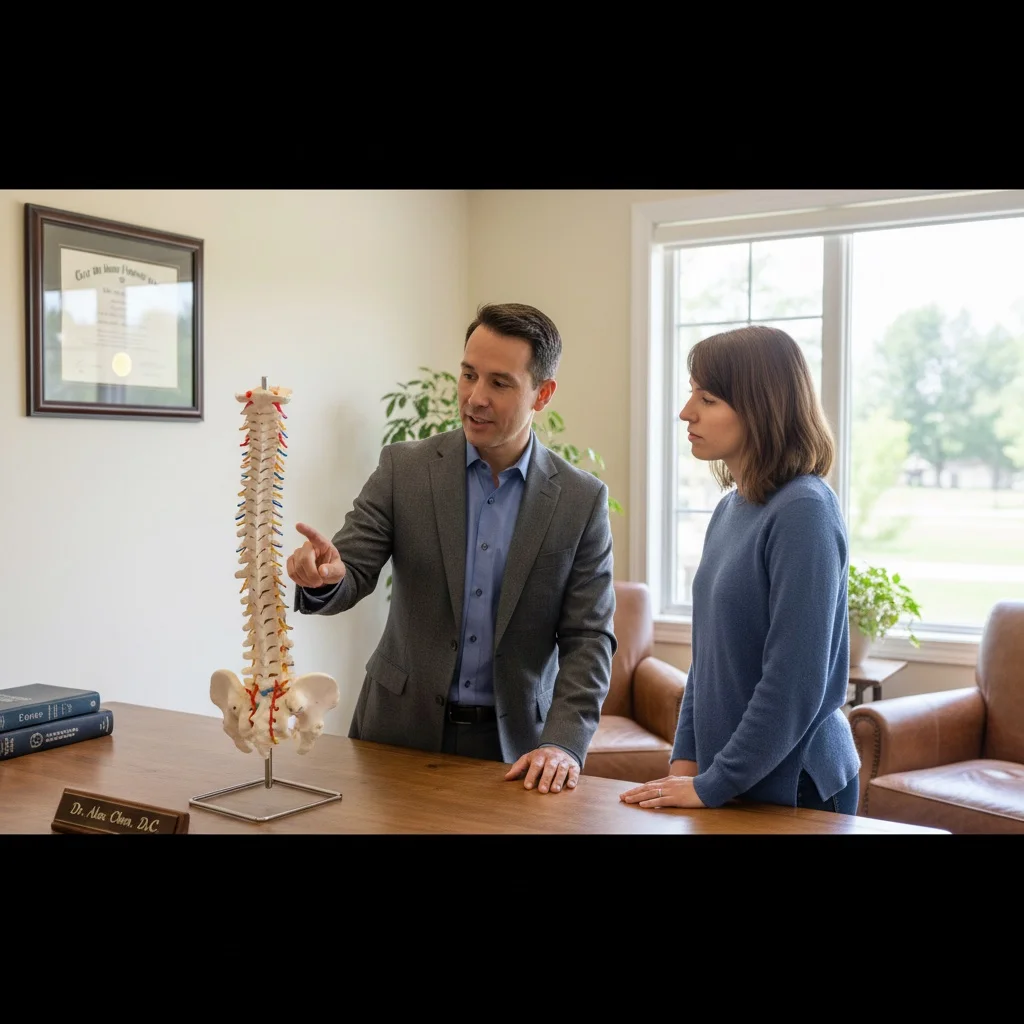
I graduated as valedictorian from Life Chiropractic College West in Hayward, California, where I was honored with the Presidential Award for academic achievement, leadership, and clinical excellence. My academic journey began on the pre-medical track studying Human Physiology at Boston University. After experiencing years of daily migraines with no relief from traditional medical approaches, I discovered chiropractic care. The significant improvement I experienced not only changed my health, but ultimately inspired my decision to pursue the chiropractic profession. I have a strong interest in soft tissue care and frequently incorporate therapies such as myofascial release and kinesiology taping to help patients move more comfortably and confidently. I especially enjoy working with individuals experiencing vertigo, hypermobility spectrum disorders, and temporomandibular joint (TMJ) dysfunction—conditions that are often overlooked yet can greatly affect quality of life. My primary adjusting technique is the Activator Method, which I integrate with manual adjustments when appropriate. For patients with hyper-mobility spectrum disorders and joint instability, this gentle, instrument-assisted approach offers a safe and effective alternative to traditional high-velocity “cracking” techniques, while still restoring proper joint motion. During chiropractic school, I was diagnosed with hyper-mobility, upper cervical instability, and basilar impression, which required me to change the type of care I was receiving. Through this experience, I developed a deeper appreciation for precise, low-force techniques. Activator care has allowed me to manage my symptoms effectively without worsening my hyper-mobility, and this personal experience informs the thoughtful, individualized care I provide to my patients. Living with hyper-mobility has also driven me to seek out additional education and training related to connective tissue disorders and joint instability. I am passionate about integrating clinical strategies that better serve this often under-recognized population, and I bring that knowledge into my care for patients facing similar challenges.
EDS Healthcare in California
Casa Colina Hospital in Pomona and Re+active Therapy in El Segundo are both EDS Society Centers of Excellence. Stanford has a Cardiovascular Connective Tissue Disorders Program, UC Davis runs a Connective Tissue Clinic, and UCSF offers Medical Genetics services. Children's Hospital Los Angeles has a Pediatric Bone Disorders Program, and Dao Integrated Health in San Francisco provides EDS-focused treatment.
Despite California's strong urban specialist density, patients in the Central Valley, northern rural areas, and inland regions face long travel times to reach EDS-knowledgeable providers. Wait times at major programs can be 3-6 months or longer. Medi-Cal covers genetic testing with medical necessity, but navigating the referral process can be time-consuming.
Finding Chiropractic for EDS
Confirm the chiropractor uses gentle, low-force techniques like Activator or flexion-distraction rather than high-velocity adjustments, which can injure hypermobile joints.