Physical Therapy and Exercise for Ehlers-Danlos Syndrome
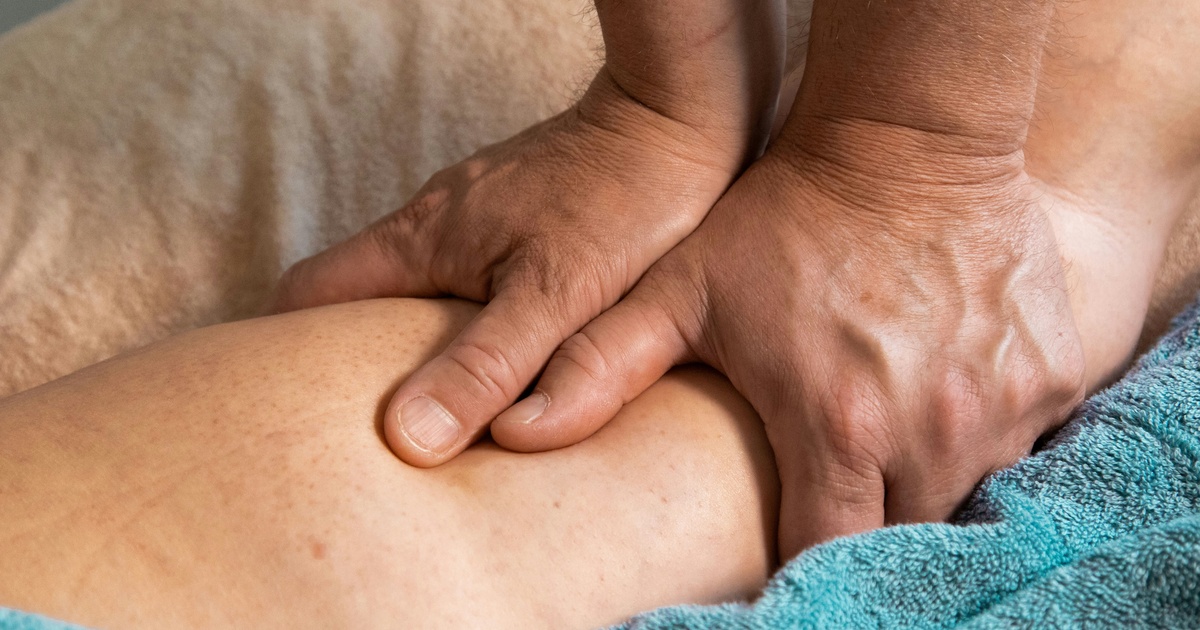
Physical therapy is probably the most recommended treatment for Ehlers-Danlos syndrome, especially hypermobile EDS. You will hear it from rheumatologists, geneticists, the Ehlers-Danlos Society, and just about every clinical resource on the subject. And they are right — when done well, physical therapy can meaningfully improve joint stability, reduce pain, and help people function better day to day.
But here is the part that does not get said often enough: the wrong kind of physical therapy can make things worse. A therapist who does not understand hypermobility may prescribe stretching, push range of motion, or follow a standard protocol that assumes the problem is stiffness. For someone with EDS, that approach can increase instability and pain rather than reducing it.
The difference between helpful and harmful PT for EDS comes down to one idea: stability over flexibility. This article covers what that looks like in practice — the goals of EDS physical therapy, which exercises tend to help, what to be cautious about, and how to find a therapist who actually understands the condition.
Why physical therapy matters for EDS
The core problem in EDS, especially the hypermobile type, is that the passive support structures around your joints — ligaments, tendons, and connective tissue — are too loose to do their job properly. Joints move too easily, slip out of alignment, and are prone to subluxations and dislocations. Over time, this leads to pain, fatigue, and a loss of confidence in your own body.
Physical therapy matters because muscles can compensate for what loose connective tissue cannot do. When the right muscles are strong and well-coordinated, they act as a natural brace around unstable joints. That does not fix the underlying connective tissue — nothing currently does — but it can meaningfully reduce how often joints give you trouble.
There is another reason PT is important, and it is easy to overlook. Many people with EDS become less active over time because movement hurts or feels unsafe. That is completely understandable, but inactivity leads to deconditioning, which makes joints even less stable and symptoms harder to manage. It becomes a cycle: pain leads to less movement, less movement leads to weaker muscles, weaker muscles lead to more instability, and more instability leads to more pain. Physical therapy is one of the best ways to break that cycle.
What EDS physical therapy actually looks like
If your only experience with physical therapy has been for a sports injury or post-surgery rehab, EDS-specific PT will feel different. The goals are different, the pace is different, and the exercises are different.
The main goals of physical therapy for Ehlers-Danlos syndrome are:
- Joint stability and neuromuscular control. Training your muscles to keep joints in safe, efficient positions rather than letting them drift into excessive range.
- Proprioception. This is your body's sense of where your joints are in space. It is often impaired in EDS, which contributes to clumsiness, poor coordination, and a feeling of not being able to trust your body. Proprioception drills — balance work, joint-awareness exercises, controlled single-leg tasks — help retrain that sense.
- Strengthening key stabilizers. Especially around vulnerable joints and through the core and trunk. This is not about getting strong in a gym sense. It is about building the specific muscular support your body needs to hold itself together.
- Posture and movement retraining. Learning to stand, walk, bend, and lift in ways that do not overload your joints or rely on hanging into end-range positions.
- Gradual conditioning. Slowly rebuilding endurance and fitness in a way your body can tolerate without crashing.
A typical program starts with low-load, well-controlled movements, often in supported positions — lying down, seated, or against a wall. Think bridge variations, clamshells, heel raises, wall sits, and scapular control exercises done in modified form. The therapist watches your form closely, because in EDS, how you do an exercise matters as much as which exercise you do.
Progression is based on how your body responds — your symptoms, your recovery, and the quality of your movement — not on a predetermined schedule. If something flares you up, a good therapist adjusts rather than pushing through.
The stretching question
This is probably the single biggest misconception about exercise and EDS, so it is worth being clear about it.
Many people with EDS feel tight. That is real. But feeling tight and needing more flexibility are not the same thing. In many cases, muscles are tightening up because they are trying to protect an unstable joint. Stretching those muscles can actually remove the only support the joint has, making instability worse.
A useful way to think about it: flexibility is how far a joint can move. Stability is how well you can control it. Most people with EDS already have more than enough flexibility. What they usually need is better control.
The Ehlers-Danlos Society explicitly warns that overstretching beyond normal range can be harmful and may worsen instability. That does not mean all mobility work is off-limits — gentle, targeted work for truly tight muscles or as part of a warm-up can still be appropriate. But blanket stretching routines, standard yoga classes that encourage end-range positions, and any advice along the lines of "you just need to stretch more" should be approached with serious caution.
If a therapist or fitness instructor tells you to stretch more without understanding your hypermobility, that is a red flag.
Types of exercise that often help
There is no single exercise plan that works for everyone with EDS. But several categories come up consistently in clinical guidance and research.
Low-impact aerobic exercise. Walking as tolerated, cycling, recumbent biking, rowing, and swimming are all commonly recommended for building cardiovascular fitness without overloading joints. The key is starting at a level you can recover from and building gradually. Shorter bouts with rest breaks — say, 10 minutes of walking with a sit-down in between rather than 30 straight minutes — often work better than one long session.
Aquatic therapy. Exercising in water reduces joint load because of buoyancy, which can make movement feel more manageable for people with significant pain or instability. The evidence base is thinner than for general therapeutic exercise, but many patients and clinicians find it helpful as one option among several.
Modified Pilates and Tai Chi. Both can be useful when adapted for hypermobility — the emphasis on controlled movement, alignment, and body awareness fits well with EDS rehab goals. The important word is "modified." A standard Pilates or Tai Chi class may include positions that are not appropriate for hypermobile joints.
Recumbent exercise for POTS. If you also have POTS or other dysautonomia, upright exercise may trigger dizziness, a racing heart, or lightheadedness. Structured programs like the Levine Protocol start with recumbent exercise — recumbent bikes, rowing machines, swimming — and gradually introduce more upright activity over weeks to months. We cover the EDS-POTS overlap in more detail in our article on EDS and POTS.
When exercise needs extra adaptation
EDS is not one-size-fits-all, and exercise programs should not be either. Several common situations call for a more tailored approach.
Pain flares and the boom-bust cycle. If you tend to do too much on good days and then crash for days afterward, pacing is essential. Leveling out your activity — doing a moderate, consistent amount rather than alternating between overdoing it and doing nothing — is one of the most valuable habits to build. A physical therapist can help you find a sustainable baseline.
POTS and dysautonomia. Standing or upright exercise may not be tolerable at first. Starting with recumbent, semi-recumbent, seated, or water-based options and adjusting based on orthostatic symptoms is a reasonable approach.
Frequent subluxations or dislocations. Temporary taping, splints, braces, or compression garments may help some people exercise more safely. These are useful tools, though the long-term goal is usually to build enough muscular support that you rely on them less over time.
Fear of movement. If past exercise or physical therapy has caused pain or injury, it makes sense to be wary. That wariness is not laziness — it is a rational response to bad experiences. A good therapist will acknowledge it, start conservatively, and help rebuild trust in your body through small, successful movement experiences.
Severe deconditioning. If you have been very inactive for a long time, the right starting point may feel embarrassingly easy. That is fine. Starting well below what seems "too easy" is not failure — it is good rehab design for a body that needs to rebuild tolerance gradually.
Vascular EDS. People with vEDS are generally advised to keep exercise low intensity and avoid straining, heavy lifting, or activities that sharply increase blood pressure. This is a subtype where close medical guidance on exercise is especially important.
Physical therapy vs. exercising on your own
These are not opposites. The most common model is supervised physical therapy to establish a plan, learn proper form, and figure out what works for your body, combined with a home exercise program you do independently between sessions.
Supervised PT is especially valuable when you are just getting started, when you have frequent flares or subluxations, when POTS or pain makes exercise unpredictable, or when past experiences have made you afraid to move. A therapist can catch form issues, adjust the program in real time, and help you interpret what your body is telling you.
Home exercise works best when you have a clear plan, know what good form feels like, understand how to progress or regress based on how you are doing, and can monitor your own recovery. Programs like the GoodHope Exercise and Rehabilitation (GEAR) program use this model — a detailed intake, an individualized home-based plan, and regular reassessment and adaptation over time.
The goal is not to be in PT forever. It is to learn enough about your body and your exercise needs that you can eventually manage a good portion of it on your own, checking in with a therapist as needed.
What to avoid
A few things are worth being cautious about:
- Aggressive stretching into hypermobile ranges. This is the most commonly cited risk in EDS exercise guidance. More range is not the goal.
- High-impact or contact activities unless specifically cleared and modified for your situation. Jumping, running on hard surfaces, and collision sports carry elevated risk for unstable joints.
- "Push through the pain" advice. EDS rehab relies on graded progression, symptom monitoring, and pacing — not on forcing through worsening symptoms. A therapist who tells you to just push through it probably does not understand your condition.
- Generic fitness plans that do not account for hypermobility, fatigue, orthostatic symptoms, or pain. What works for the general population may not work for you, and that is not a personal failing.
- Any exercise program that claims to work for everyone with EDS. The research is clear that exercise needs to be individualized. Anyone selling a one-size-fits-all solution is oversimplifying.
How to find the right physical therapist
Not every physical therapist has experience with EDS or hypermobility, and the difference between one who does and one who does not can be significant. Here is what to look for.
Experience with EDS, hypermobility, or chronic pain. Ideal is a therapist who has worked with EDS patients before. Next best is someone experienced with hypermobility spectrum disorders, chronic pain, or complex rehab who is willing to learn. Credentials like OCS (Orthopedic Certified Specialist) or FAAOMPT are good signs.
Willingness to individualize and adjust. A good EDS therapist does not hand you a sheet of exercises and send you home. They assess your specific issues, start conservatively, and adjust the plan as they learn how your body responds.
Comfort with comorbidities. If you also deal with POTS, pelvic floor issues, chronic pain, or GI symptoms, a therapist who can work around those — or refer you to specialists who can — is much more useful than one who only addresses the joints.
Before booking, consider asking:
- "Do you have experience treating hypermobility, hEDS, or recurrent joint instability?"
- "How do you adapt exercise when a patient has pain flares, POTS, or frequent subluxations?"
- "Do you emphasize stability and motor control rather than stretching?"
- "How do you decide when to progress or pull back on a program?"
If the answers sound generic, or if you hear anything like "you just need to stretch more," keep looking.
Our directory lists physical therapists who work with EDS patients. You can also search by location to find someone near you.
Frequently asked questions
Is physical therapy good for Ehlers-Danlos syndrome? Yes, when done by a therapist who understands hypermobility. PT focused on stability, strengthening, and motor control is consistently recommended as a core part of EDS management. But standard PT that emphasizes stretching or range of motion can make things worse.
What exercises should I avoid with EDS? Aggressive stretching into hypermobile ranges, high-impact activities like running or jumping on hard surfaces, contact sports, and any exercises that push joints to their end range without control. The specifics depend on your body and your subtype — a good therapist can help you figure out what is safe.
Can exercise make EDS worse? It can if done incorrectly, progressed too quickly, or based on a generic plan that ignores hypermobility. That does not mean exercise is bad for EDS — it means the dose, the form, and the starting point matter a lot.
How often should I do PT exercises? This varies, but consistency matters more than volume. Many EDS exercise programs emphasize frequent, shorter sessions rather than occasional intense workouts. Your therapist will help you find the right frequency based on your tolerance and recovery.
What if I cannot tolerate exercise right now? That is a real barrier, not a sign of laziness. Dysautonomia, severe fatigue, pain, and fear of movement are all recognized challenges. Starting with very gentle, supported movements — even just a few minutes at a time — and building from there is a legitimate approach.
Should I do yoga with EDS? Standard yoga classes often encourage end-range flexibility, which can worsen instability in hypermobile joints. Modified yoga that avoids extreme positions and emphasizes alignment and control can be helpful for some people, but it should be evaluated with an EDS-aware therapist first.
The bottom line
Physical therapy and exercise are among the most useful tools for managing Ehlers-Danlos syndrome, but they are not a generic prescription. They work best when they are individualized, paced to your body's tolerance, focused on stability rather than flexibility, and guided — at least initially — by someone who understands hypermobility.
Starting below the level that a generic fitness program would assume is not failure. It is smart rehab design for a condition where pain, fatigue, orthostatic symptoms, and joint instability can all affect what your body can handle on any given day. Small, consistent, well-chosen movement adds up over time.
For more on how PT fits into the broader picture of EDS care, see our article on EDS treatment and management options. And if you are looking for a physical therapist who understands EDS, our directory can help you find one near you.
Sources
- The Ehlers-Danlos Society. Physical Therapy.
- The Ehlers-Danlos Society. The Evidence-Based Rationale for Physical Therapy Treatment.
- The Ehlers-Danlos Society. Dysautonomia.
- American Physical Therapy Association / ChoosePT. Physical Therapy Guide to Hypermobility Spectrum Disorders.
- EDS Support UK. Physical Therapy for Hypermobility.
- NHS. Joint Hypermobility Syndrome.
- Reychler G, et al. "Physical Therapy Treatment of Hypermobile Ehlers-Danlos Syndrome: A Systematic Review." American Journal of Medical Genetics Part A, 2021.
- Palmer S, et al. "Exercise and Rehabilitation in People With Ehlers-Danlos Syndrome: A Systematic Review." Archives of Rehabilitation Research and Clinical Translation, 2022.
- Simmonds JV, et al. "The GoodHope Exercise and Rehabilitation (GEAR) Program for People With Ehlers-Danlos Syndromes and Generalized Hypermobility Spectrum Disorders." Frontiers in Medicine, 2021.
- Engelbert RH, et al. "The Evidence-Based Rationale for Physical Therapy Treatment of Children, Adolescents, and Adults Diagnosed With Joint Hypermobility Syndrome/Hypermobile Ehlers-Danlos Syndrome." American Journal of Medical Genetics Part C, 2017.
- Mayo Clinic. Physical Therapy and Ehlers-Danlos Syndromes.
Published by the EDS Directory Editorial Team. Our content is researched using peer-reviewed medical literature and sources from the Ehlers-Danlos Society, NIH, and GeneReviews.